What is a Tune-Up? What to Expect From a Proper Inspection
Everyone talks about dropping their machine off for a routine "tune-up," but the definition of that service varies wildly across powersports shops. Many standard operations treat a tune-up as nothing more than a glorified oil change and a quick tire check. On a high-performance Can-Am or Polaris platform, that shortcut approach leaves serious mechanical vulnerabilities completely unaddressed. A true tune-up is a meticulous, multi-point health diagnostic engineered to reverse trail wear and guarantee reliability.
The Anatomy of a Professional Off-Road Tune-Up
To keep a hard-revving engine from dropping power or stranding you on remote South Texas trail networks, a professional service tech must look deep into the mechanical, electrical, and fluid sub-systems of the unit:
1. Advanced Fluid Scrutiny & Filtration Upgrades
While fresh oil is the core lifeblood of your engine, a real tune-up covers your entire drivetrain. This means draining and analyzing not just the motor oil, but the front/rear differential gear oils and main transmission fluids for metal shaving signatures. We swap worn oil filters and clear the fine trail silt out of your air filter housing box to ensure restriction-free engine induction pathways.
2. Ignition Optimization & Compression Balancing
Worn-out, heat-stressed spark plugs cause subtle misfires, rough idling states, and diminished throttle responsiveness. A true service tech doesn't just swap the plugs; they pull the components to inspect the combustion color (which flags a lean or rich engine run condition), test structural cylinder compression levels, and calibrate precise spark plug gaps to factory specifications.
3. Valve Lash & Clearance Inspection
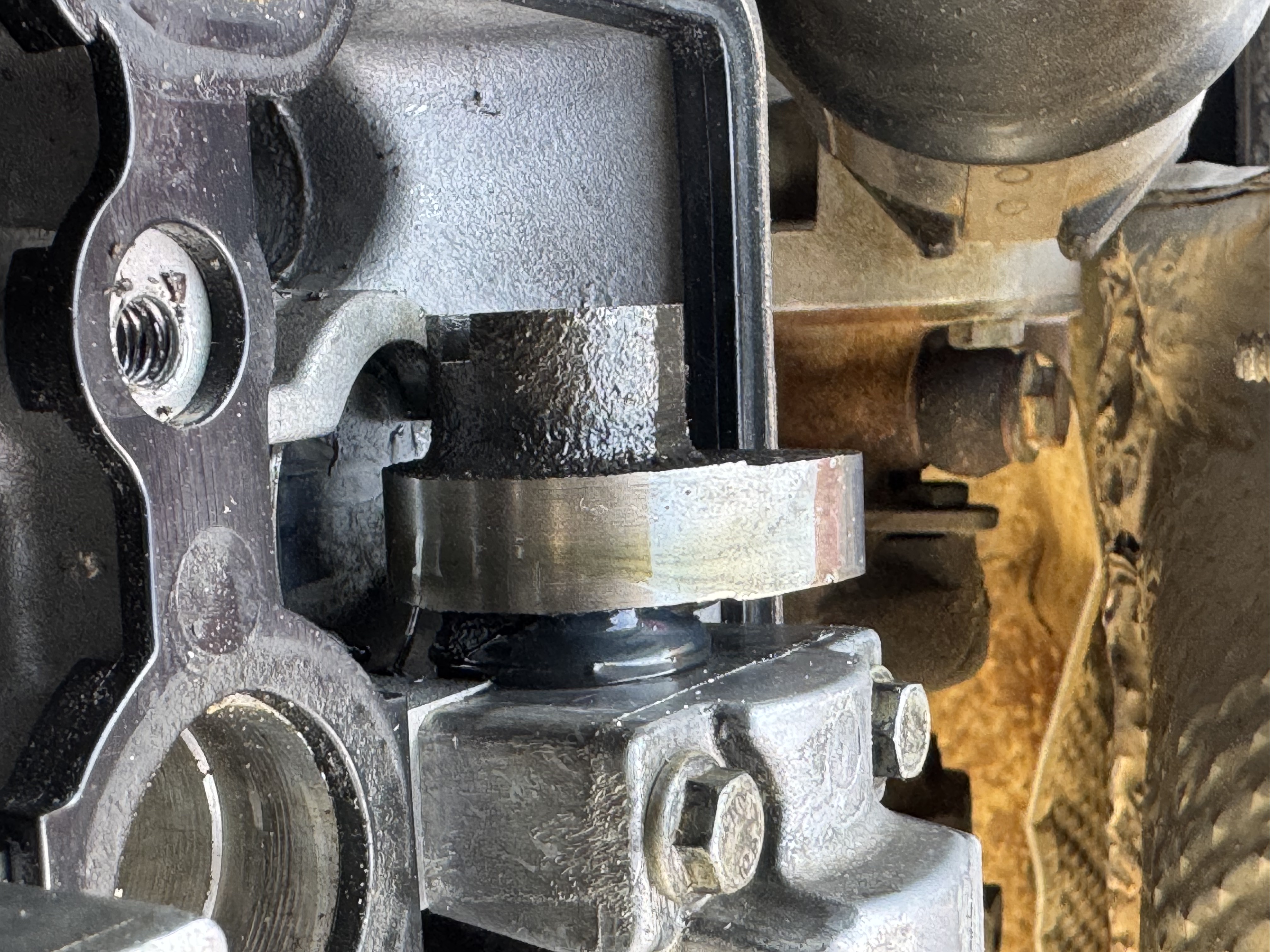
As Rotax and ProStar engines accumulate hard operating hours, internal valvetrain components stretch and settle. If your mechanical valve lash clearances drift out of spec, your engine can suffer from hard starting cycles, premature power loss, and eventual valve seat destruction. Inspecting and adjusting valve clearances is what separates a professional overhaul shop tune-up from a basic lube station oil swap.
4. CVT Belt System & Clutch Recalibration
Your Continuous Variable Transmission (CVT) requires deep attention during a tune-up. A technician must pull the outer clutch cover plate to clean out accumulated belt dust, inspect primary and secondary pulley rollers for flat spots, evaluate spring tension parameters, and check your drive belt thickness for heat cracks or signs of slipping.
5. Cooling Loop Integrity Analysis
South Texas heat trends are brutal on off-road cooling configurations. A tune-up must involve a pressure test of your radiator cap, checking all cooling line hoses for dry rot cracks, clearing caked-on mud out of individual radiator fins, and testing your coolant's boiling point metrics to prevent catastrophic engine warped heads.
When Should You Schedule an Inspection?
Most factory manuals outline a major tune-up sequence every **50 to 100 hours of trail operation**, or at least once a year. However, you should accelerate that schedule significantly if you frequently ride in deep coastal mud traps, pull heavy loads across ranches, or notice lagging throttle performance and slow starting cycles.
Conclusion
A true tune-up is a comprehensive health check designed to protect your investment. Skipping these vital calibration points accelerates component wear and guarantees a massive repair bill later down the road. Stay ahead of trail wear and ensure your Can-Am or Polaris functions exactly like it did on day one.