Main Reasons for Blown Motors in ATVs and Side-by-Sides: Heat and How to Beat It
Roaring across the Rio Grande Valley’s caliche trails in your ATV or side-by-side is an incredible rush, but severe trail pressures can turn that freedom into a mechanical nightmare in seconds[cite: 12]. When an off-road engine seizes miles away from camp, you're faced with a ruined ride and a severe repair bill[cite: 12]. At RGV ATV Repair, we disassemble, analyze, and rebuild destroyed powerplants daily, and one definitive fact stands out above all else: uncontrolled thermal heat is the number one cause of engine failure in high-performance powersports vehicles[cite: 12].
The Destructive Mechanics of Engine Overheating
Powersports engines operate under sustained high-rpm levels[cite: 12]. When ambient South Texas summer temperatures soar past 100°F, your vehicle's cooling and lubrication architectures are pushed directly to their absolute structural limits[cite: 12]. When heat thresholds are breached, a rapid sequence of component failures takes place[cite: 12]:
- Thermal Lubricant Thinning: Extreme operational heat causes engine oil to rapidly lose its viscosity profile[cite: 12]. The fluid shears down into a watery consistency that cannot maintain a protective film layer between crankshaft bearings, connecting rods, and camshaft lobes, leading to metal-on-metal destruction[cite: 12].
- Unchecked Thermal Expansion: Aluminum pistons expand at a faster rate than surrounding cast iron or treated cylinder liners when overheated[cite: 12]. If temperatures climb unchecked, the piston skirts swell beyond design tolerances, scuffing cylinder walls, tearing rings, or causing the piston to fracture catastrophically[cite: 12].
- Lean Air-Fuel Combustion Cycles: Extreme under-hood temperatures place immense strain on your electronic fuel injectors[cite: 12]. If an injector nozzle gets clogged with sand or suffers electrical coil resistance breakdown from heat, it starves the cylinder of fuel[cite: 12]. This lean state causes combustion chamber temperatures to spike instantly, burning holes directly through the piston crown[cite: 12].
🚨 Mechanic Case Log: The Crossed-Line & Failed Injector Nightmare
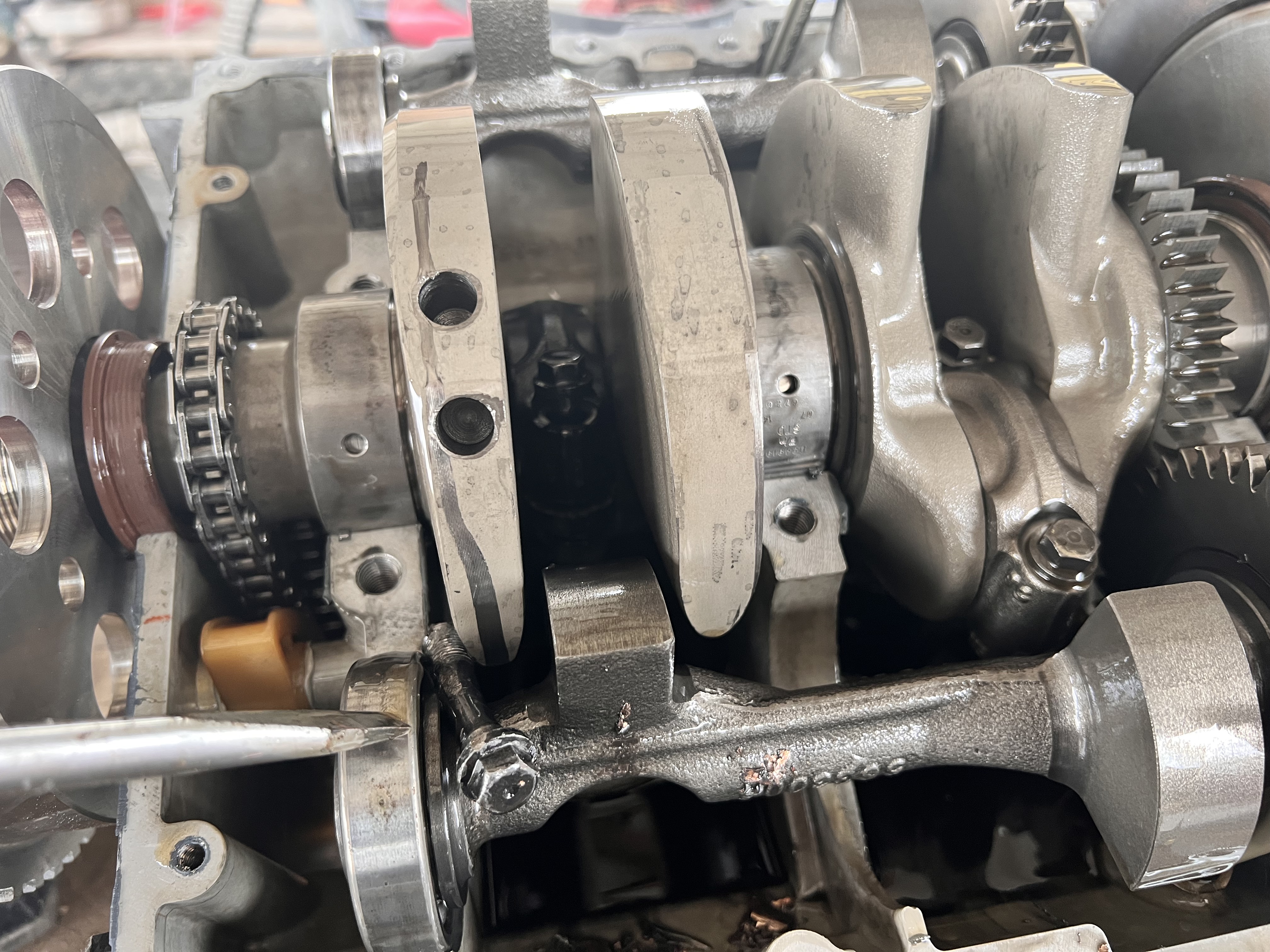
We recently took on a full recovery rebuild for a 2017 Polaris RZR 1000 that had been severely botched by a cut-rate mechanic shop[cite: 12]. The machine suffered from a chain reaction of thermal errors[cite: 12]. First, the previous mechanics had crossed the main cooling system flow path lines—placing the downstream lines upstream—which choked off proper coolant bleed loops and trapped air pockets within the cylinder head[cite: 12].
Additionally, the fuel injector electrical harness leads were reversed[cite: 12]. This sent erratic timing signals across the electronic management unit, forcing cylinders into an extreme lean condition under throttle loads[cite: 12]. Pushing a machine hard through active misfires while ignoring warning gauges causes extreme thermal spikes[cite: 12]. This combined negligence ended with a fuel injector failing completely under heat stress, starving the combustion chamber and forcing a piston to shatter violently right through the crankcase walls[cite: 12]. Vigilance saves engines; ignoring active alerts guarantees structural destruction[cite: 12].
How to Defend Your Machine Against Thermal Failure
Beating trail heat requires matching aggressive riding with proactive operator inspection habits[cite: 12]. Use these strict shop guidelines to keep your engine running cleanly[cite: 12]:
- Monitor Your Electronic Temp Gauges Constantly: Your dashboard digital temperature interface is your primary line of defense[cite: 12]. Off-road engine temperatures can transition from normal operating metrics to cracked cylinder status in less than three minutes if a coolant loop drops pressure[cite: 12]. If your readout climbs near danger zones, pull over immediately[cite: 12].
- Keep Radiator Core Fins Restriction-Free: Fine caliche trail dust combined with water creates a concrete-like crust that packs tightly inside radiator core fins[cite: 12]. This blockage starves your cooling system of air conversion capabilities[cite: 12]. Spray down your radiator face thoroughly with low-pressure water after every single muddy trail excursion to preserve airflow[cite: 12].
- Deploy High-Viscosity Full Synthetic Lubricants: Never drop standard passenger car lubricants or incorrect viscosities into your high-performance engine block[cite: 12]. Run high-tier, powersports-specific synthetic fluids like a premium **5W-50 formulation**[cite: 12]. These synthetics are specifically engineered with robust zinc/phosphorus anti-wear additive paths that maintain structural oil film thickness even when trail temperatures skyrocket[cite: 12].
- Execute Immediate Shutdowns on Misfires: If your vehicle begins sputtering, dropping rpm ranges, flashing engine codes, or exhibiting loud structural metallic clanking sounds, do not attempt to limp the unit back to camp under power[cite: 12]. Shut down the ignition immediately to isolate the circuit before a lean fuel fault or loose timing tensioner converts the engine block into scrap metal[cite: 12].
Conclusion
A blown motor is completely avoidable[cite: 12]. While South Texas trails present incredibly demanding environmental conditions, mechanical thermal failures almost always trace back to an operator pushing past warning parameters[cite: 12]. Respect your temp gauges, protect your cooling loops with consistent cleanouts, and maintain robust synthetic oil levels to ensure your machine conquers the trail with absolute confidence[cite: 12].