Essential Gear for Off-Road Adventures
 [cite: 8]
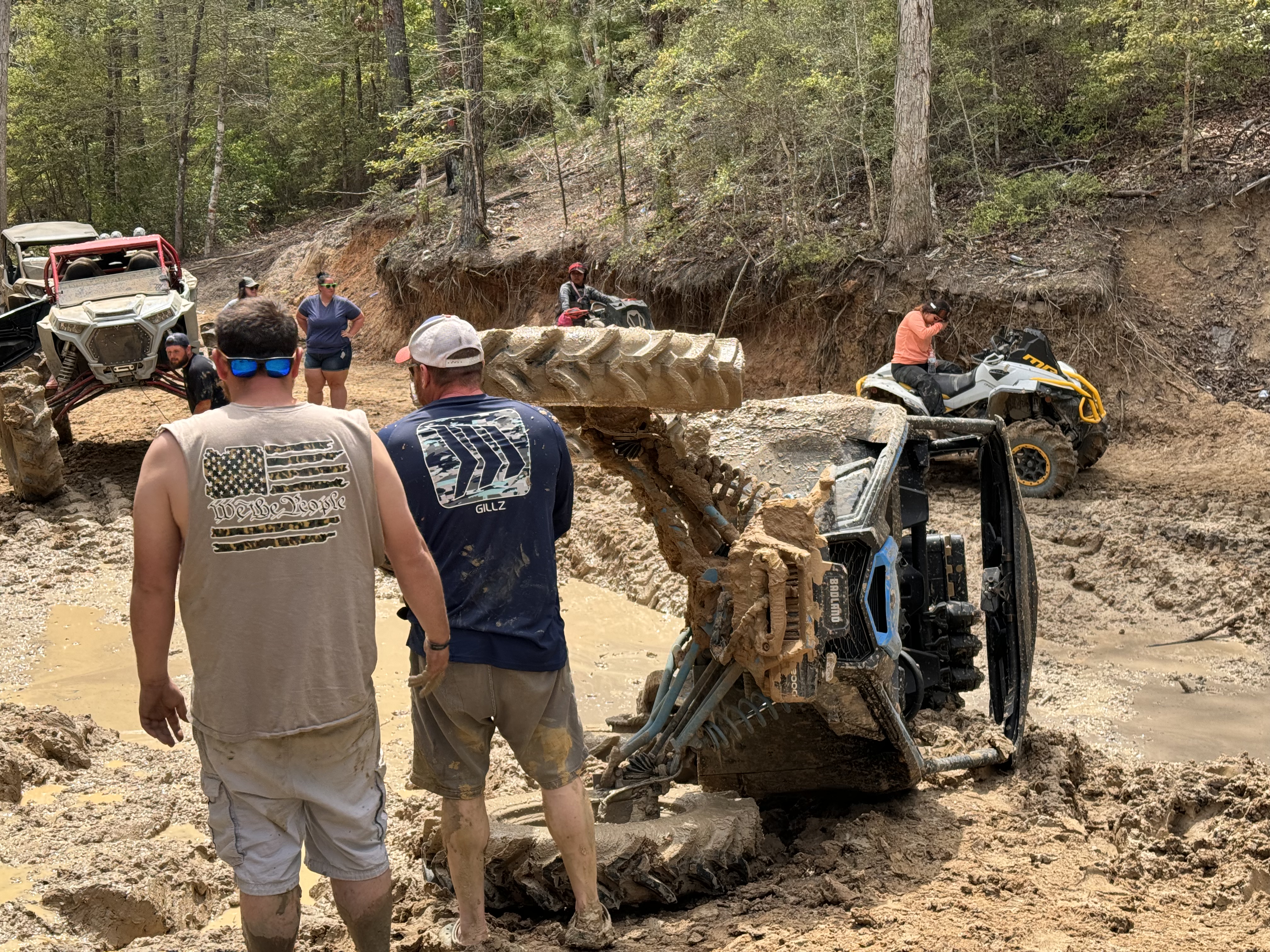
Tearing across the intense off-road tracks of the Rio Grande Valley is an unmatched thrill, but harsh trail conditions can catch un-prepared riders off guard in seconds. When a heavy machine rolls over or gets buried past its frame sliders in deep riverbed mud, basic consumer tools won't cut it. To protect your mechanical investment and guarantee a safe return, you need an aggressive, specialized recovery and gear arsenal built explicitly for heavy-duty Side-by-Side and ATV platforms.
1. Premium Soft Shackles & Heavy Kinetic Recovery Ropes
Traditional metal D-ring shackles are dangerous mechanical liabilities. If a steel winch line snaps under load, a heavy metal shackle converts instantly into a deadly projectile. Swapping them for high-strength **UHMWPE soft shackles** delivers incredible breaking strength without the added weight or danger. Combining soft shackles with a stretchable **kinetic recovery rope** allows you to pull stranded units smoothly, using kinetic energy transfer rather than harsh mechanical jerking that can tear off A-arms and bend frames.
2. Heavy-Duty Snatch Blocks
A high-quality winch system is only as effective as your rigging geometry. Carrying a heavy-duty **snatch block** (a specialized pulley wheel block) is vital for complex extractions. Threading your winch line through a snatch block doubles your system's structural pulling force while allowing you to alter the cable angle safely. This adjustment lets you pull a rolled or stuck machine straight without putting lateral strain on your winch mounting plate or overheating your electrical battery system.
3. Rugged Trail Communication Systems (GMRS/VHF)
Cellular networks are highly unreliable once you drop into deep trail systems, remote ranch paths, or border sectors. Relying on basic smartphones during an emergency is a bad strategy. Equipping your vehicle or riding team with hard-mounted **GMRS or VHF radio setups** ensures crystal-clear, long-range communication over miles of thick brush and rolling caliche. It lets you coordinate winch pulls safely or broadcast your exact location if a component suffers a major structural break.
4. On-Board Heavy Tire Repair & Plug Kits
Oversized mud tires operate under low air pressures, leaving sidewalls vulnerable to sharp mesquite thorns, caliche rock shelves, and hidden trail debris. Carrying a dedicated, high-tier tire plug kit along with an active **12V heavy-duty portable air compressor** is non-negotiable. Being able to plug a clean puncture and re-seat a bead straight on the dirt prevents you from ruining an expensive tire or damaging custom aluminum wheels trying to limp a flat machine back to camp.
5. Specialized On-Trail Metric Tool Arrays
Generic home tool sets don't belong in a rugged off-road machine box. Can-Am and Polaris platforms rely heavily on metric fasteners, specialized Torx drives, and unique clutch-retaining bolt sizes. Keeping a tailored, water-sealed metric tool kit on hand lets you tackle trailing arm loose ends, secure loose battery terminal links, or execute field drive belt changes smoothly without rounding off hex heads.
Conclusion
Packing for a true trail ride isn't about throwing loose straps into your cargo bed—it's about building a robust safety loop. The gear you pack determines whether an extraction is a clean technical success or an expensive frame-bending disaster. Secure premium recovery equipment, understand its mechanical limits, and if your machine has suffered frame strain or suspension alignment issues from a severe rollover, bring it to our master technicians for a structural analysis.