Choosing The Right Winch Line: Synthetic Rope vs. Steel Cable
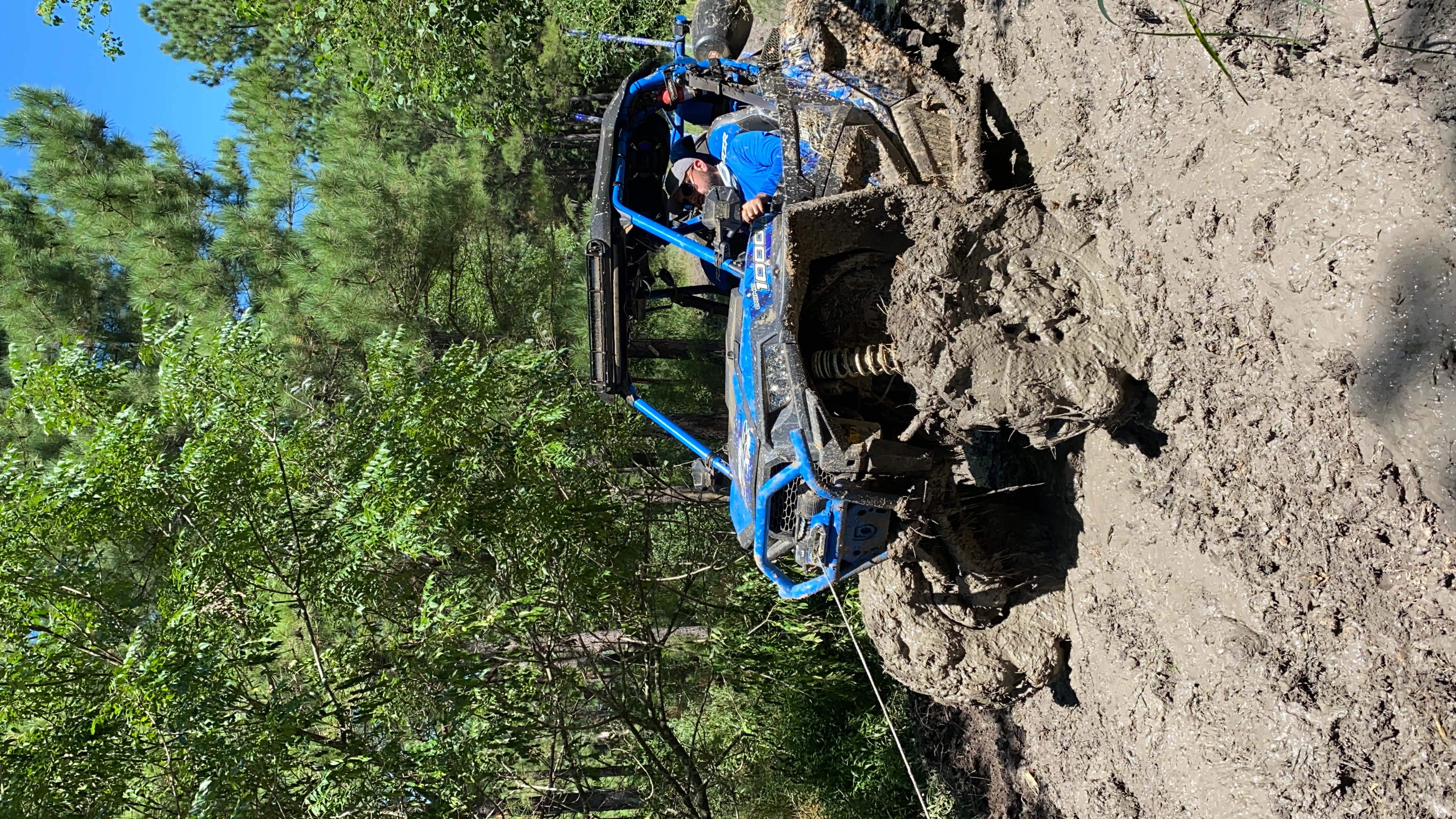
When you're framed-out in a deep mid-valley drainage canal or stuck axle-deep in coastal mud, your vehicle's winch recovery system transforms from a styling accessory into your primary lifeline. The debate between classic braided steel wire and modern synthetic fiber ropes has split the off-road community for years. Choosing the proper material directly dictates your safety margins, upfront line durability, and vehicle chassis handling dynamics during extreme loads.
Steel Cable: The Traditional Powerhouse
Braided steel cable has served as the rugged industry standard for decades. Composed of tightly wrapped high-tensile carbon steel wire strands, it is built to survive mechanical abuse that would quickly shred lesser fabrics.
Pros of Steel Cable
- High Abrasion Resistance: Steel cable excels when dragged over jagged caliche rock formations, concrete culvert lips, or sharp mesquite stumps without immediate fraying concerns.
- Friction Heat Dissipation: Unlike fabrics, steel handles the immense internal heat build-up generated by embedded winch brake mechanisms flawlessly.
- Low Component Overhead: Steel wire requires zero special cleaning loops and ignores UV exposure breakdowns completely.
Cons of Steel Cable
- Severe Kinetic Recoil Hazard: If a steel line snaps under extreme mechanical tension, it retains deadly kinetic energy. The resulting whip effect can slice through body armor, smash side-by-side cages, or cause catastrophic injuries.
- Corrosion and Kinking: Exposed steel wires split, rust, and develop sharp, jagged burrs (fishhooks) that will pierce standard heavy gloves if not wound cleanly.
- Excessive Nose Weight: Steel line adds significant unsprung poundage right over your vehicle's front bumper, accelerating front shock sag.
Synthetic Rope: The High-Tech Alternative
Crafted from advanced synthetic polymers like ultra-high-molecular-weight polyethylene (such as Dyneema), synthetic ropes have revolutionized modern extraction maneuvers by replacing sheer mass with advanced chemical braiding.
Pros of Synthetic Rope
- Unmatched Kinetic Safety: If a synthetic line snaps under tension, it drops dead to the mud. It stores virtually zero kinetic recoil energy, making extraction maneuvers safe for nearby spotters.
- Blindingly Lightweight: Synthetic lines weigh a fraction of their steel counter-parts, making manual line pulls up slippery mud banks effortless.
- Pliable and Floating Performance: Synthetic lines won't splinter, do not form memory kinks on the winch drum, and float cleanly on water or soup-like mud mixtures.
Cons of Synthetic Rope
- Vulnerability to Sharp Surfaces: Synthetic fibers can fray rapidly if scraped hard across sharp rock faces or deep under-carriage brackets. It demands a protective sheath layer during lateral pulls.
- Environmental Maintenance Overheads: Sand, silt, and trail grit can work deep into the inner fiber braids, acting like internal sandpaper under load. It requires regular unspooling and fresh-water washdowns to clear contaminants.
Which Line Fits Your Riding Profile?
The choice boils down directly to your trail profile and operating habits. For utility work on the ranch involving dragging heavy fence lines over harsh mesquite ground, classic steel offers unmatched durability. However, for high-speed trail runs, deep mud riding, and maximum operator safety, premium **synthetic rope** wins by a landslide.