Are All Oils the Same? Choosing the Best Oil for Your ATV
Oil is the single most critical baseline line of defense protecting your high-performance engine infrastructure. Yet, one of the most widespread mechanical misconceptions across the off-road community is that all motor oils are fundamentally identical. Pouring standard automotive oil into a high-revving Can-Am or Polaris powerplant can cause devastating internal component wear. Powersports engines demand a level of zinc additive concentration and shear stability that ordinary passenger car lubricants cannot provide.
The Dangerous Car Oil Mistake: Wet-Clutch Shear Risk
Modern passenger vehicle oils are engineered exclusively to maximize fuel economy. They contain specialized friction modifiers designed to make metal surfaces slick. If you drop standard car oil into an ATV or UTV platform with an integrated wet-clutch or shared transmission architecture, those friction modifiers will coat the wet-clutch plates, causing immediate slip, immense heat build-up, and total clutch failure. Powersports machines require explicit **JASO MA or MA2 certifications** to ensure optimal wet-clutch engagement parameters.
Synthetic vs. Conventional: Real-World Breakdown Rules
Choosing your base fluid type dictates how safely your engine handles heat friction and mechanical stress on the trail:
- Conventional (Mineral) Oils: Extracted from natural crude oil structures. While they offer adequate basic lubrication for vintage engines or simple utility machines under low loads, mineral oils break down rapidly under sustained thermal stress.
- Full Synthetic Power Fluids: Chemically built from pure molecular strings. Synthetic options resist thinning under brutal heat loads, maintain structural film barriers over engine bearings under extreme rpm metrics, and carry heavy anti-wear additives like zinc and phosphorus (ZDDP) to shield cylinder walls.
Cracking the Viscosity Code for South Texas Climates
Viscosity indexes like **10W-40, 5W-50, or 15W-50** dictate how fluid flows across specific operational temperature spectrums:
- The cold index ("10W") represents how easily the fluid pumps during startup sequences. A lower number stops startup metal friction during cold phases.
- The hot operating index ("40" or "50") measures fluid thickness when the motor reaches peak operational temperatures. In the 100°F+ summer trends across the Rio Grande Valley, running a thicker **15W-50 or 5W-50 premium synthetic** gives vital protection, preventing the fluid from thinning down into a watery consistency under sustained load.
Does Lubricant Brand Quality Actually Matter?
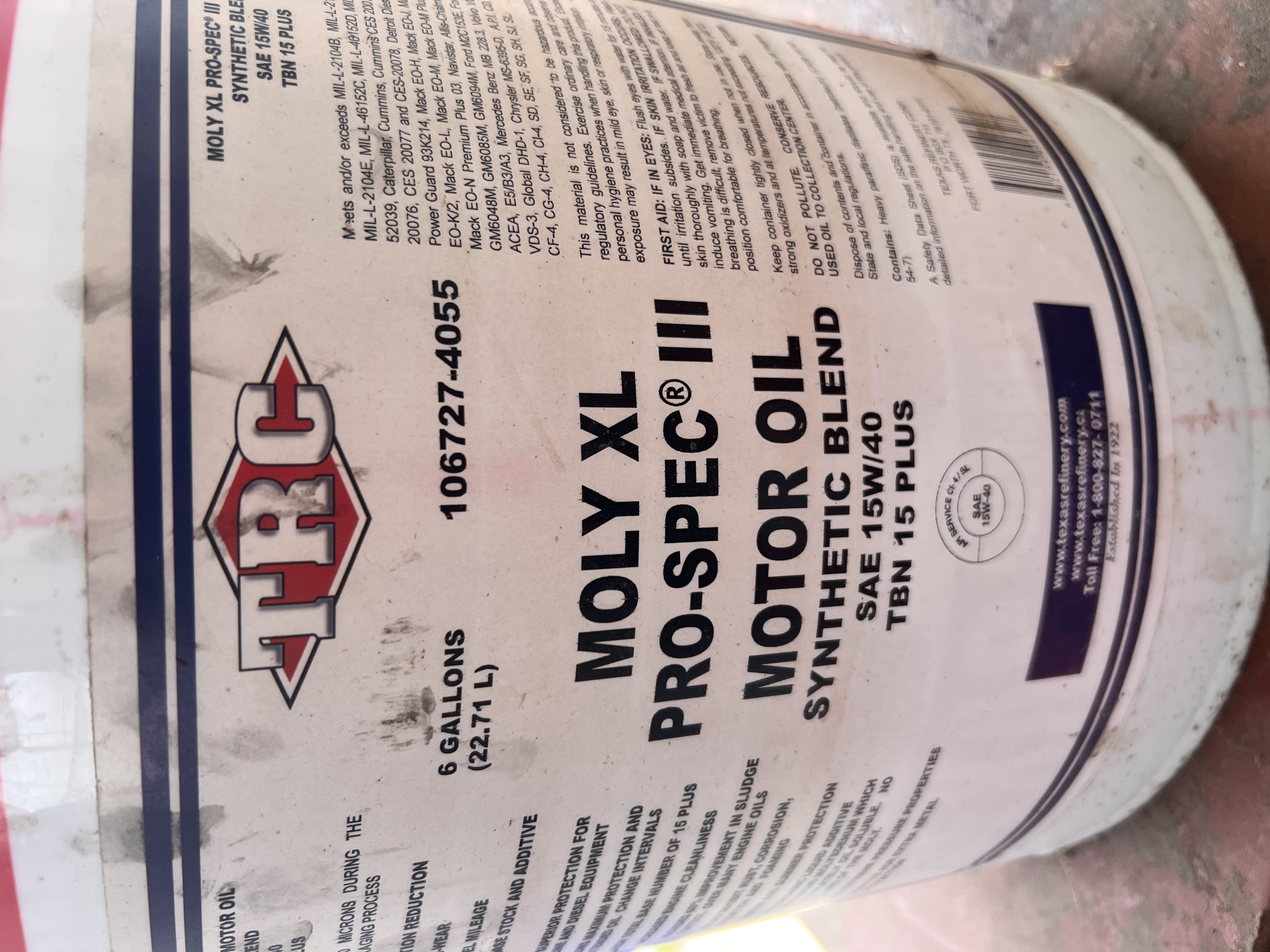
Cheap, unbranded store oils use minimal additive recipes that quickly lose structural integrity under the punishing gear shear loads inside off-road gearboxes. Premium specialty lubrication platforms like **Texas Refinery lubricants, Amsoil, and factory Polaris/Can-Am formulations** carry robust anti-foaming agents and detergent strings. This chemistry keeps combustion contaminants safely suspended, preventing internal engine varnish build-up.
Conclusion
Not all engine oils are the same. Dropping the wrong fluid viscosity or an improper passenger car lubricant into your hard-working powersports unit is a direct path to low oil pressure faults, fried wet-clutch packs, and spun bearings. Always prioritize high-tier, synthetic, powersports-specific fluids matched to our brutal South Texas heat parameters.